
Ernest Ansermet, Léo Delibes & L'Orchestre De La Suisse Romande - Coppélia (Record 2) - Ace Of Diamonds - Classical
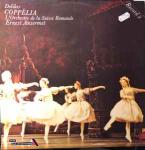 |
Price | £5.00 |
Track ListingC1 Scene Et Valse De La PoupeeC2 Scene C3 Bolero C4 Gigue C5 Finale C6 Marche De La Cloche C7 Fete De La Cloche D1 L\' Aurore D2 La Priere D3 Le Travail ( La Fileuse ) D4 L\' Hymen ( Noce Villageoise) D5 La Discorde Et La Guerre D6 La Paix D7 Galop-final Media Condition » Near Mint (NM or M-) Sleeve Condition » Very Good Plus (VG+) |
| Artist | Ernest Ansermet, Léo Delibes & L'Orchestre De La Suisse Romande | ||
| Title | Coppélia (Record 2) | ||
| Label | Ace Of Diamonds | ||
| Catalogue | SDD372 | ||
| Format | Vinyl Album | ||
| Released | |||
| Genre | Classical |
Information on the Classical Genre
Classical music, strictly defined, means music produced in the western world between 1750 and 1820. This music included opera, chamber music, choral pieces, and music requiring a full orchestra. To most, however, classical music refers to all of the above types of music within most time periods before the 20th century.Classical music in its limited definition includes the works of Haydn, Mozart and Beethoven. From Mozart, a huge range of pieces offer us a chance to enjoy. Mozart wrote symphonies, music for quartets and quintets, chamber orchestra pieces, choral pieces, piano concertos, and entire operas. In total, he wrote over 600 musical pieces. He is perhaps best known for his opera, The Magic Flute . Most also recognize Eine Kleine Nachtmusik, as well as a number of his symphonies and concertos.
Classical music would not be quite the same without Beethoven, who is particularly known for his symphonies. Beethoven’s sixth symphony is probably most recognized because of its pastorale, a section of music used in the Disney film Fantasia. The achingly beautiful Moonlight Sonata is also Beethoven. Beethoven wrote only one opera, Fidelio. His genius rests in his symphonies and piano concertos, and some Beethoven must be in the catalog of anyone who loves classical music.
Haydn has often been referred to as the “father of classical music.†His work during this era forms the basis of influence for others who wrote classical music. Ironically, though he is considered the progenitor of classical music, he is less familiar to most audiences than the composers mentioned above. His Symphony no. 94, The Surprise Symphony, is among his best known works.
Classical music in the broader definition evokes such composers as Bach, who preceded the more rigidly defined classical music era and is more rightly classed in the Baroque period. Vivaldi, perhaps best remembered for The Four Seasons is also of the Baroque period. Handel’s Messiah is well known to the many who participate in sing-alongs during the Christmas season.
The Romantic Period, which follows directly after the classical period, is known for its emotive qualities. Mahler and Sibelius stand out and tend to be familiar to most. Wagner is perhaps the most frequently recognized of the Romantic composers, his work stormy and grand, and his many operas still performed regularly today.
Classical music may also refer to the native and folk music of any country. The styles vary greatly depending upon available instruments. For example, the classical music of Indonesia, with its use of the gamelan, is vastly different from what most would consider classical music of the western world. Folk traditions in other countries may seem more influential to western classical music. Musicians of the baroque and classical periods often adapted their works from folk music.
Data from the Discogs music database. Submit a Release.
